
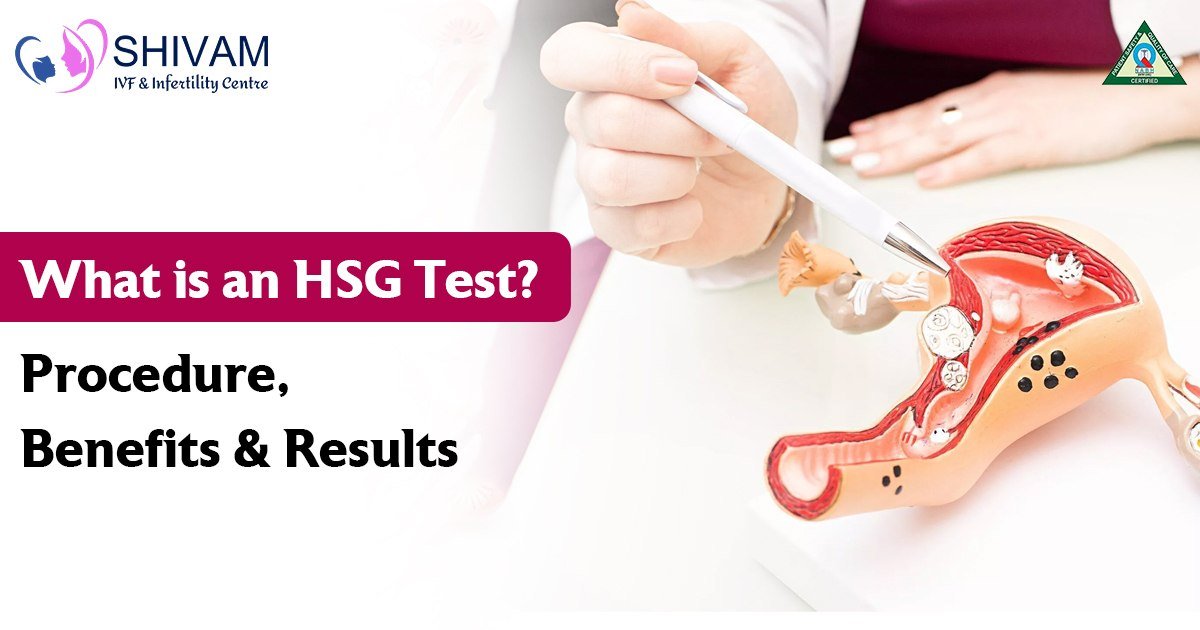
In cases where couples are trying to conceive, but pregnancy does not occur within the expected period of time, certain tests can be recommended by medical practitioners to determine the reason. Among the most common ones is the HSG test. This is a type of examination, shortening for Hysterosalpingography. The test is carried out in order to examine how well the uterus and fallopian tubes work in relation to conception.
Before the test is done, many ladies suffer from anxiety since they do not know what kind of examination it is and what its results will be. It is necessary to be properly informed about all the details of the procedure. In this case, consultations can be sought at such centres as Shivam IVF. The clinic has a Fertility Specialist in Delhi who will help to pass through the whole process smoothly.
What is an HSG Test?
HSG Test is a type of diagnostic imaging involving an X-ray examination of the uterus and fallopian tubes. For an HSG test, the contrast material is injected into the uterus via the cervix. Then, the material passes through the fallopian tubes to identify blockages or openings within the tubes.
Indications for HSG test include:
- Difficulties with conception
- Recurrent abortions
- Fallopian tube obstruction
- Uterine problems
- Pelvic infection history
A Fertility Specialist in Delhi might also advise an HSG test before fertility therapies such as IUI or IVF treatment.
How is the HSG Test Performed?
The procedure is generally performed after menstruation ends but before ovulation begins. This timing helps ensure that pregnancy has not already occurred.
Step-by-Step Procedure
The patient is made to lie down on a bed that resembles a normal one used for a gynaecological examination.
- A speculum is inserted into the vagina to visualise the cervix.
- Then, a thin tube is inserted into the cervix and passed through to the uterus.
- An injection of dye is then done using the catheter.
- X-rays are taken during the flow of the dye in the uterus and fallopian tubes.
- The whole procedure takes about 15 to 30 minutes.
At Shivam IVF clinic, expert doctors take care that patients are at ease during the procedure.
Is the HSG Test Painful?
Pain levels vary from person to person. Some women experience mild cramping similar to menstrual pain, while others may feel temporary discomfort during dye insertion.
Doctors often recommend the following tips to reduce discomfort:
- Take a mild pain reliever before the procedure if advised
- Stay relaxed and breathe normally
- Avoid heavy physical activity immediately after the test
Most women can resume normal daily activities on the same day.
Benefits of an HSG Test
The HSG test offers several important benefits for fertility evaluation and treatment planning.
Detects Blocked Fallopian Tubes
Blocked tubes are one of the leading causes of infertility. The test clearly identifies whether the tubes are open or blocked.
Identifies Uterine Problems
The test can detect abnormalities such as:
- Polyps
- Fibroids
- Scar tissue
- Congenital uterine defects
Helps Plan Fertility Treatment
An accurate diagnosis allows a Fertility Specialist in Delhi to recommend the most suitable fertility treatment, whether it is medication, IUI, or IVF.
May Improve Fertility Naturally
Interestingly, some women conceive naturally after an HSG test because the dye can sometimes clear minor blockages in the fallopian tubes.
Understanding HSG Test Results
The outcomes of the HSG procedure can provide doctors with better insight into the patient’s reproductive condition.
Normal Outcomes
In case the dye is able to pass easily through the uterus and fallopian tubes, the outcome is considered normal and suggests no significant blocks or problems.
Blockage of Fallopian Tubes
In case the dye fails to pass through the tubes, it is a clear sign of tube blockage and the need for further treatment.
Abnormal Uterus Shape
There might be certain abnormalities of the uterus shape or the presence of adhesions or growths that can negatively impact pregnancy and embryo implantation.
At Shivam IVF, the findings of HSG will be discussed by professionals in the field of fertility.
Important Precautions After an HSG Test
But some steps will help to keep discomfort or infections at bay:
- Spotting for a couple of days is fine.
- Have no sexual contact if the doctor advises.
- Consult the doctor in case of extreme pain, fever, and excessive bleeding.
An experienced Fertility Specialist in Delhi is always the right choice after this procedure.
Conclusion
The HSG test plays a vital role in identifying the potential issues with the uterus and fallopian tubes that affect fertility. This test is fast, non-invasive, and extremely helpful in determining the cause of infertility.
In case you are trying to conceive naturally or through any fertility treatments, getting tested early will make a world of difference. In our clinic, Shivam IVF, you can get all the necessary care for fertility and have a thorough diagnosis. It is essential to consult a reliable Fertility Specialist in Delhi to make your dreams of parenthood come true.