
A positive pregnancy test after IVF can feel like a dream finally coming true. After countless appointments, medications, injections and anxious waits, those two lines bring a kind of happiness that's difficult to explain. But what happens when an early ultrasound raises concerns, or a pregnancy ends before the first trimester is complete?
Miscarriage after IVF can be emotionally devastating. It often leaves couples searching for answers, wondering whether something went wrong during treatment or whether they could have done anything differently. If you're experiencing this, please remember one thing: an early miscarriage is rarely caused by something you did or didn't do.
At Shivam IVF, compassionate guidance and accurate medical information can help patients understand this difficult experience and explore their options for the future.
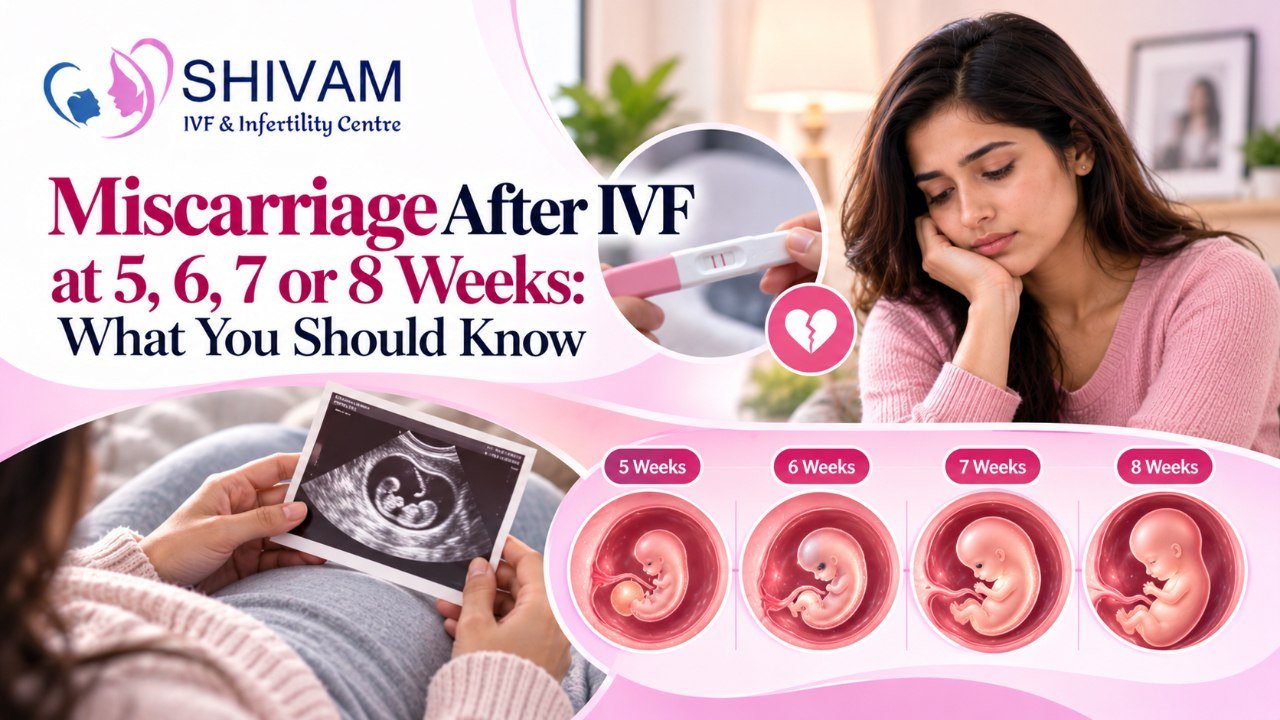
Can Miscarriage Happen After IVF at 5, 6, 7 or 8 Weeks?
Yes. Unfortunately, miscarriage can occur during the early weeks of an IVF pregnancy, just as it can after natural conception. The risk depends on several factors, including maternal age, embryo characteristics, chromosomal abnormalities and individual medical history.
Each week can bring different developments.
- Miscarriage at 5 weeks: Pregnancy may be confirmed through blood tests, but an ultrasound might not yet show a definite gestational sac or embryo. A repeat scan and serial beta-hCG tests may be needed before drawing conclusions.
- Miscarriage at 6 weeks: Some pregnancies show a gestational sac and yolk sac, while others develop more slowly. If cardiac activity isn't visible, the doctor may recommend another ultrasound rather than immediately diagnosing a miscarriage.
- Miscarriage at 7 weeks: An embryo and cardiac activity are often visible by this stage, depending on dating and development. However, the absence of cardiac activity must be assessed using established ultrasound criteria before a diagnosis is made.
- Miscarriage at 8 weeks: Pregnancy loss may be identified through bleeding, cramping or an ultrasound showing that development has stopped. Sometimes, there are no obvious symptoms, and the loss is discovered during a routine scan.
One important point: symptoms and ultrasound findings must be interpreted together. A single scan performed too early doesn't always tell the complete story.
What Causes Early Miscarriage After IVF?
It's natural to look for a reason. Couples may question the embryo transfer, medication schedule, physical activity or something they ate during the previous few weeks.
In many cases, the explanation is biological rather than behavioural.
Common contributing factors include:
- Chromosomal abnormalities: Some embryos have genetic abnormalities that prevent normal development. These can occur even when an embryo initially looks healthy.
- Maternal age: The risk of chromosomal abnormalities generally increases with age, which can influence miscarriage risk.
- Uterine conditions: Certain fibroids, uterine abnormalities or other problems involving the uterine cavity may affect pregnancy outcomes.
- Hormonal or medical factors: Thyroid disorders, poorly controlled diabetes and selected hormonal issues may influence pregnancy health.
- Other pregnancy complications: Some losses occur for reasons that cannot be identified, even after medical evaluation.
IVF improves the chances of conception for many couples, but it cannot guarantee that every pregnancy will progress successfully.
Warning Signs You Shouldn't Ignore
Light spotting can occur during early pregnancy and doesn't automatically mean miscarriage. Still, any bleeding after IVF deserves appropriate medical advice, particularly if it becomes heavier or is accompanied by pain.
Contact your fertility specialist if you experience persistent bleeding, worsening abdominal cramps, passage of tissue or a sudden change in pregnancy symptoms.
Seek emergency medical care for severe or one-sided abdominal pain, shoulder-tip pain, fainting, marked dizziness or heavy bleeding. These symptoms can indicate serious complications, including ectopic pregnancy, which can occur even after IVF.
Don't wait for a scheduled appointment if symptoms are severe.
What Happens After an IVF Miscarriage?
Treatment depends on the ultrasound findings, symptoms and the patient's medical condition. Your doctor may discuss expectant management (allowing the pregnancy tissue to pass naturally), medication or a surgical procedure when appropriate.
Your fertility specialist may also review previous test results, embryo development, uterine health and relevant medical history. Additional investigations are considered according to the circumstances, particularly if pregnancy loss has occurred repeatedly.
There is no single recovery timeline for everyone. Physical recovery may take days to weeks, while emotional healing can take considerably longer.
Give yourself room to grieve. You don't need to pretend that everything is fine.
Can You Try IVF Again After a Miscarriage?
In many cases, yes. A previous miscarriage doesn't automatically mean another IVF cycle will fail. The timing of another attempt depends on physical recovery, the cause of the loss if known, any necessary treatment and your emotional readiness.
Dr Bhavana Mittal can help patients understand their fertility concerns, review relevant medical findings and discuss an individualised plan for future treatment at Shivam IVF Centre.
Before another cycle, ask your doctor whether any additional evaluation is appropriate and which changes, if any, could improve your prospects. Avoid changing prescribed fertility medication or starting supplements without medical guidance.
Finding Support at Shivam IVF
Choosing the right fertility team involves more than treatment technology. You need clear explanations, realistic expectations and a doctor who takes your concerns seriously, especially when a pregnancy doesn't progress as hoped.
Shivam IVF Centre in Delhi provides fertility-related care, including IVF and other assisted reproductive treatments. Patients considering their next steps can consult Dr Bhavana Mittal to discuss their medical history, understand available options and make informed decisions about future fertility treatment.
For couples searching for the Best IVF Centre in Delhi NCR, it helps to look beyond promises of success. Consider the specialist's qualifications, the centre's treatment approach, transparent communication and the support offered throughout the process.
An early miscarriage can change the way you feel about the journey ahead. It doesn't erase the effort you've made, and it doesn't define every possibility in your future.
You deserve answers, compassionate care and time to heal.