
For many women trying to conceive, a blocked fallopian tube can feel like an answer to a question they’ve been asking for months or even years. The pregnancy test stays negative. Appointments follow one another. And somewhere along the way, a simple question becomes a source of worry: Why isn’t it happening?
Sometimes, the answer lies in the fallopian tubes.
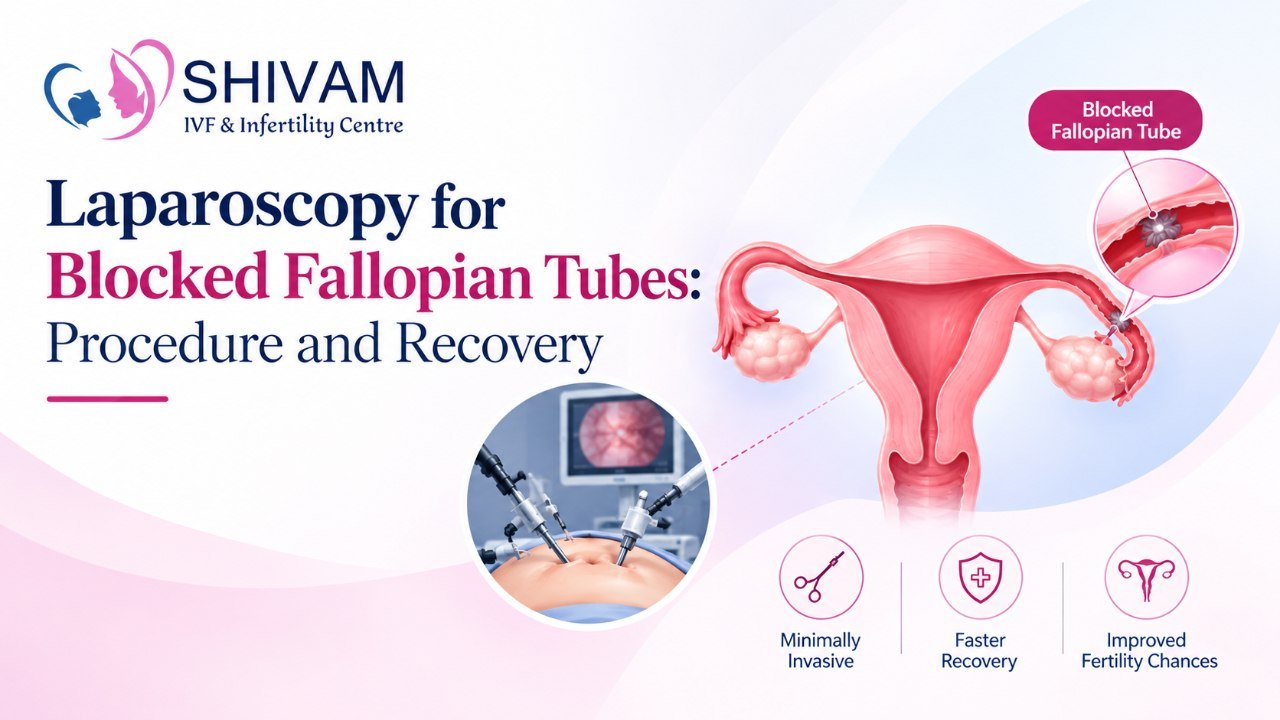
Laparoscopy is a minimally invasive surgical procedure that can help doctors diagnose and, in selected cases, treat tubal blockages that affect fertility. At Shivam IVF, women exploring their fertility options can seek guidance on appropriate investigations and treatment planning with an experienced specialist such as Dr Bhavana Mittal. The right approach depends on the location of the blockage, its cause and the overall fertility assessment.
What Causes Blocked Fallopian Tubes?
Fallopian tubes carry the egg from the ovary towards the uterus. Fertilisation usually occurs inside the tube, making its health an important part of natural conception.
When a tube becomes blocked, the egg and sperm may not meet. Both tubes can be affected, although some women have a blockage on only one side.
There isn't always an obvious warning sign.
Common causes include pelvic inflammatory disease, previous pelvic or abdominal surgery, endometriosis and scar tissue from earlier infections. Sometimes, the blockage develops without noticeable symptoms. A woman may have regular periods and feel perfectly well, only to discover the problem during an infertility investigation.
That’s why proper testing matters. A hysterosalpingography (HSG) test, ultrasound and other investigations may help assess tubal health, although no single test is appropriate for every patient.
How Does Laparoscopy Help Treat Blocked Fallopian Tubes?
Laparoscopy is performed through small incisions in the abdomen rather than one large surgical cut. A thin instrument fitted with a camera allows the surgeon to examine the pelvic organs and identify problems such as adhesions, endometriosis or certain types of tubal damage.
Here’s how the procedure generally works.
1. Preparation before surgery
The doctor reviews medical history, fertility investigations and relevant imaging reports. Blood tests and an anaesthesia assessment may also be required. The patient receives instructions about fasting, medicines and other preparations.
2. General anaesthesia
Laparoscopy is usually performed under general anaesthesia, so the patient remains asleep during the procedure.
3. Small incisions and examination
The surgeon makes small incisions in the abdomen, usually near the navel and sometimes at additional points. A laparoscope is inserted to provide a clear view of the reproductive organs.
4. Treating the blockage, where possible
Depending on the findings, the surgeon may release scar tissue, treat endometriosis or perform selected procedures to improve tubal patency. Dye may be passed through the cervix and uterus to check whether it travels through the fallopian tubes.
However, not every blockage can be corrected surgically. Severe tubal damage may be better managed with IVF, which allows fertilisation to occur outside the body without relying on the fallopian tubes.
Recovery After Laparoscopy: What Should You Expect?
Most patients need some recovery time, even though the incisions are small.
Mild abdominal discomfort, bloating, tiredness and temporary shoulder-tip pain can occur after surgery. The shoulder discomfort often results from the gas used to create working space inside the abdomen. It usually settles as the body absorbs the gas.
Many patients return to light daily activities within several days, while recovery after more extensive surgery may take a few weeks. The exact timeline depends on the procedure performed and the individual's health.
During recovery:
- Follow the surgeon's instructions about medicines and wound care.
- Take short, gentle walks as tolerated.
- Avoid strenuous exercise and heavy lifting until cleared by your doctor.
- Attend follow-up appointments to review the findings and discuss the next steps.
Seek prompt medical attention for fever, worsening abdominal pain, heavy bleeding, persistent vomiting, breathing difficulties or redness and discharge from an incision.
Can You Get Pregnant After Laparoscopy?
Yes, pregnancy may be possible after successful treatment of a tubal blockage. But there is no guarantee.
Age, ovarian reserve, sperm health, the extent of tubal damage and other fertility factors all influence the chances of conception. A tube that appears open may not function normally, particularly if its internal lining has been damaged.
There is another important consideration: the risk of ectopic pregnancy. Pregnancy can occasionally develop inside a damaged fallopian tube instead of the uterus. Anyone who conceives after tubal surgery should contact their doctor early for appropriate monitoring. Severe one-sided abdominal pain, fainting or significant bleeding requires urgent medical assessment.
If surgery is unlikely to restore healthy tubal function, IVF may offer a more suitable route to pregnancy. A fertility specialist can explain the potential benefits, limitations, costs and expected outcomes of each option.
Choosing the Right Fertility Treatment at Shivam IVF
Searching for the Best Laparoscopy Hospital in Delhi is about more than finding a facility that performs minimally invasive surgery. Patients also need a clear diagnosis, an honest discussion of success rates and a treatment plan that considers their reproductive goals.
At Shivam IVF, consulting Dr Bhavana Mittal can help patients understand their fertility investigations and discuss whether further evaluation, laparoscopy or IVF is appropriate for their circumstances.
Not every blocked tube needs surgery. Not every patient needs IVF immediately, either.
The goal is to identify the problem, understand the available options and avoid losing valuable time on a treatment that may not suit the patient's condition.
Final Thoughts
Blocked fallopian tubes can complicate conception, but they don't automatically mean pregnancy is impossible. Laparoscopy may help when the blockage is treatable, while IVF can be an effective alternative when tubal damage is extensive.
Ask questions. Understand the test results. Discuss the benefits and risks before deciding.
With individualised fertility guidance and appropriate medical care, women can make informed decisions about the next step towards pregnancy.