
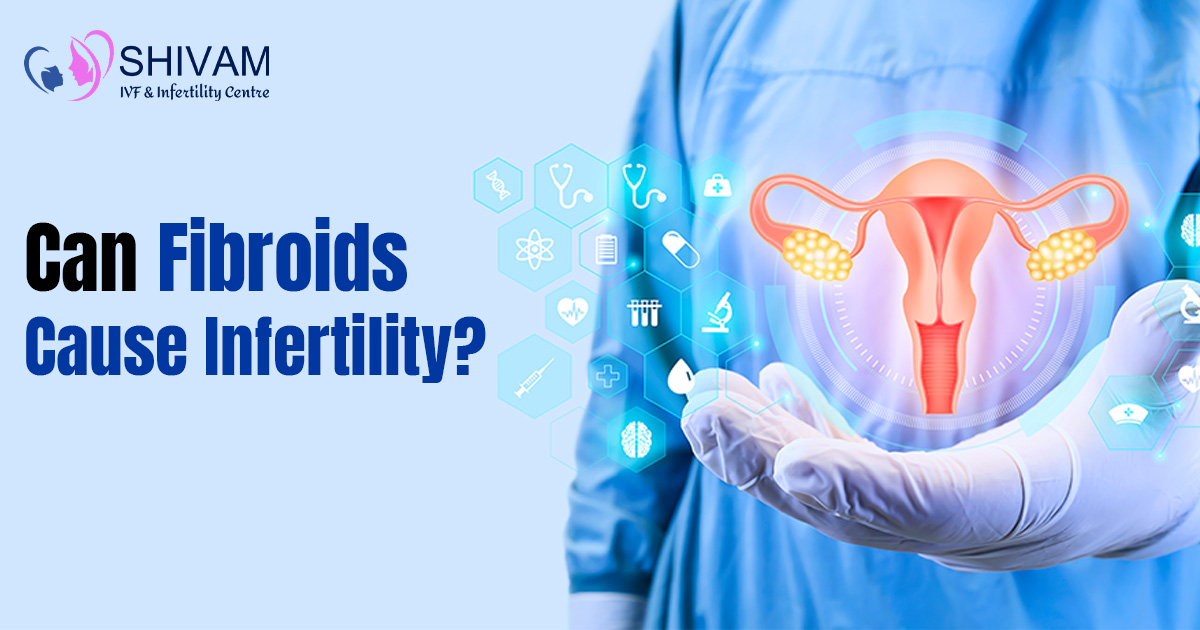
Yes, fibroids can indeed contribute to infertility in some cases. Fibroids are non-cancerous growths that develop in or around the uterus. Depending on their size, number, and location, fibroids can affect fertility by impacting the uterus and potentially interfering with conception and pregnancy.
Fibroids can cause infertility through several mechanisms:
- Distortion of the Uterine Cavity: Large fibroids located inside the uterine cavity can alter their shape and size, making it difficult for a fertilized egg to implant and grow properly.
- Blockage of Fallopian Tubes: In some cases, fibroids can press against or block the fallopian tubes, hindering the movement of sperm towards the egg or the fertilized egg towards the uterus.
- Impact on Blood Flow: Fibroids can affect blood flow to the uterus or ovaries, which may interfere with normal reproductive processes necessary for conception and pregnancy.
- Hormonal Imbalance: Fibroids can alter hormone levels, particularly estrogen and progesterone, which are essential for ovulation, implantation, and maintaining pregnancy.
For individuals concerned about fibroids and infertility, consulting with an infertility specialist is crucial. Shivam IVF, recognized as a leading infertility specialist in Delhi, offers comprehensive evaluations and treatment options for patients dealing with fibroids and infertility issues. Their expert team can assess the impact of fibroids on fertility through diagnostic tests and imaging techniques. Depending on the severity and location of the fibroids, treatment options such as medication, minimally invasive surgery to remove fibroids (myomectomy), or assisted reproductive technologies may be recommended to improve fertility outcomes.
It's essential for individuals experiencing infertility and suspecting fibroids to seek timely medical advice and explore personalized treatment plans. Addressing fibroids early can significantly enhance the chances of achieving successful conception and a healthy pregnancy.